Consumer hardware NOV 14, 2026 7 MIN READ
HP TouchPad
My post on failed products examples covers twelve famous cases from tech and why each one failed.
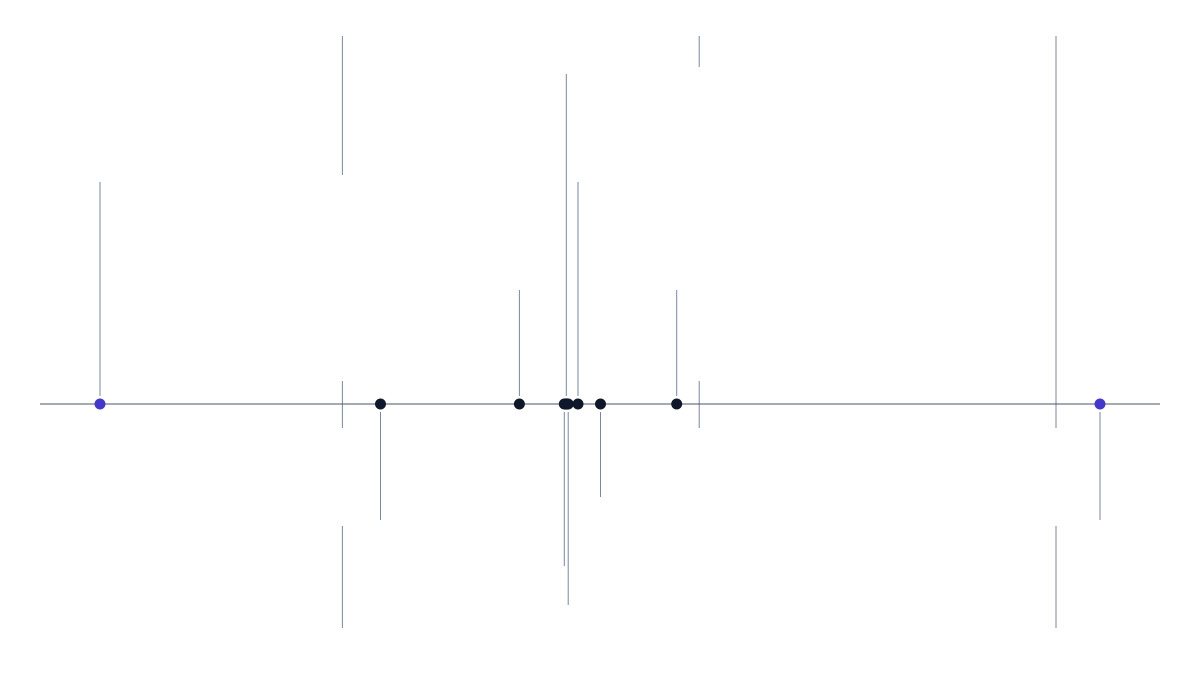
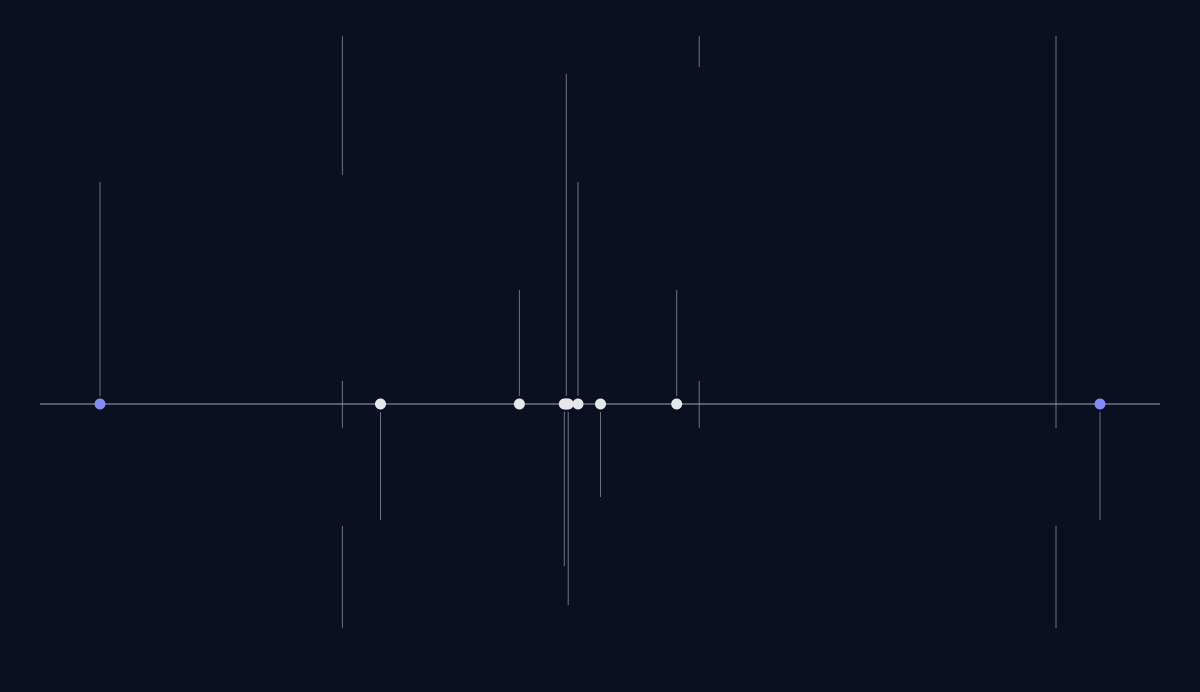
The timeline as text
- April 28, 2010HP agreed to buy Palm for an enterprise value of about $1.2 billion
- February 9, 2011HP unveiled the TouchPad alongside the Pre 3 and Veer phones
- July 1, 2011Went on sale in the US at $499.99 for the 16 GB model
- August 16, 2011AllThingsD's sources said Best Buy had sold 25,000 of 270,000
- August 18, 2011HP said it would discontinue the TouchPad and its webOS phones
- August 20, 2011Retailers reported sellouts at the $99.99 clearance price
- August 30, 2011HP's blog announced one last run of TouchPads, MobileSyrup reported
- September 22, 2011Meg Whitman replaced Léo Apotheker as HP's CEO
- December 9, 2011HP said it would contribute webOS to open source
- February 2013LG agreed to buy the webOS assets for its smart TVs
- Company
- HP
- Category
- Consumer hardware
- Launched
- July 2011
- Ended
- August 2011
- Stage reached
- Introduction
- AI product
- No
- Status
- HP said on August 18, 2011 that it would discontinue the TouchPad and its webOS phones
The HP TouchPad failed because HP priced it like an iPad 2, shipped it with few tablet apps, then gave up on it seven weeks after launch. Once HP cut it to $99.99 to clear stock, retailers reported sellouts.
What it was
The HP TouchPad was HP's first webOS tablet, a 9.7-inch slate running the software HP got when it bought Palm.
HP agreed on April 28, 2010, to buy Palm for an enterprise value of about $1.2 billion.
Palm had unveiled webOS with the Pre phone in early 2009, and while critics liked both, "consumers weren't biting," the Associated Press wrote later.
HP unveiled the TouchPad on February 9, 2011, alongside two new webOS phones, the Pre 3 and the Veer.
In June, HP set the US launch for July 1 at estimated street prices of $499.99 for 16 GB and $599.99 for 32 GB. Jon Rubinstein, who ran HP's Palm business, said webOS was what made the TouchPad "a compelling alternative to competing products." Engadget's Tim Stevens noted the price was "exactly on parity with the WiFi iPad 2" and Samsung's Galaxy Tab 10.1.
What happened
The TouchPad went on sale in the US on July 1, 2011, and HP was cutting the price within weeks.
On August 16, Arik Hesseldahl of AllThingsD reported a $50 discount, then $100 off at some outlets, then a permanent $100 cut that brought the 16 GB model to $399.99.
One source who had seen internal HP reports told him Best Buy had taken delivery of 270,000 TouchPads and sold only 25,000. A second source said that number might be "charitable."
On August 18, 2011, HP said it would "discontinue operations for webOS devices, specifically the TouchPad and webOS phones." The same release floated a spin-off of its PC unit and announced an offer for the software company Autonomy.
Two days later, the Los Angeles Times reported, HP's online store listed the 16 GB model at $99.99 and the 32 GB at $149.99. Citing reports around the web, the paper said retailers in the US and Canada were seeing sellouts.
On August 30, MobileSyrup quoted an HP blog post saying it would make "one last run of TouchPads to meet unfulfilled demand."
HP's board elected Meg Whitman CEO in place of Léo Apotheker on September 22, its filing shows.
The annual report HP filed in December put the cost of its webOS actions to fiscal 2011 operating earnings at $1.67 billion, including $885 million of impairment charges tied to the Palm deal.
On December 9, 2011, HP said it would contribute webOS to open source. In February 2013, LG agreed to buy the webOS assets for its smart TVs, CNNMoney reported, counting the TouchPad's life at "just 49 days on the market."
Why it failed
HP said the TouchPad and its webOS phones missed internal milestones and financial targets. Reviewers and reporters pointed to the price and the thin app catalog, and insiders later described a rushed tablet and a CEO unwilling to put money into Palm.
What HP said
HP's August 18 release gave its reason in one sentence: "The devices have not met internal milestones and financial targets." It didn't say which ones.
In the same release, Apotheker said the day's plan would create long-term shareholder value "through a focus on fewer fronts." The AP reported that in an interview he said HP was disappointed more with the hardware sales than with the performance of the webOS software, which HP would try to keep alive in some way.
HP's statements quoted here don't blame the price or the app catalog.
What reporting showed
Stevens's Engadget review found the TouchPad heavier than the iPad 2, at 1.65 pounds to 1.3, and said its performance "left us occasionally wanting." He wrote that he could maybe see giving it a go if the Pre 3 were out and "if the TouchPad were $100 less."
HP pledged 300 TouchPad-optimized apps for launch, Engadget reported, and phone apps ran "in a small picture of a phone." Gizmodo's Matt Buchanan noted there was no Netflix or Nook app, and wrote, "I once waited 20 seconds for screen settings to launch."
Fortune's Dan Mitchell wrote on August 18, before HP reported its results, that "HP priced it similarly to the iPad, with which it hasn't been favorably compared," and that "a series of discounts hasn't helped much."
An IHS iSuppli teardown put the parts and assembly of the 16 GB model at $306, against a $499 retail price, and noted it was 13.7 millimeters thick to the iPad 2's 8.8.
After the clearance, the Los Angeles Times wrote, "All it took to move the previously slow-selling tablet was a $99 price point."
What later analysis found
The Verge's 2012 postmortem by Chris Ziegler draws on unnamed sources from Palm, so it's insiders' hindsight.
One source told Ziegler that when suppliers wanted a factory built for the Pre 3's displays, HP wouldn't put "the billion dollars upfront." Without that support, The Verge wrote, Palm was left "to pick from the corporate parts bin," a problem that hit the TouchPad particularly hard.
The first prototypes, made of "cast-off reject iPad parts" in the words of Palm's software staff, didn't arrive until late November 2010. At the February unveiling, The Verge was told, "very little worked correctly on the device" beyond the exact path of the onstage demo.
On money, one source said, "Léo wanted us to be cash-flow neutral."
The sources didn't agree on what sank the tablet. Some blamed shipping webOS 3.0 instead of waiting for less buggy updates. Others blamed HP's unwillingness to subsidize it down to $199, knowing it couldn't compete head to head with the iPad 2 at the same price.
Ziegler wrote that Apotheker "appeared to jump at the opportunity to sideline a division that he viewed as excess baggage," and that Rubinstein was left out of the plan.
Phil McKinney, then HP's chief technology officer, who led its technical due diligence on Palm, wrote in 2025 that he "watched as they destroyed it."
The stage it reached
The TouchPad died in the introduction stage, the first of the four product life cycle stages, when sales are small and costs run well ahead of revenue.
Prices move within months of launch in that stage. The TouchPad's moved within weeks: a $100 cut by mid-August, then $99.99 two days after HP dropped it.
It never got near growth. AllThingsD's sources put Best Buy's sales at fewer than one in ten of the units it took delivery of.
The Amazon Fire Phone took a similar path three years later: a premium price, a cut to 99 cents on contract about six weeks in, and an inventory charge.
The lesson
I read the $99 sellout as the most useful fact here. It tells me people would take a webOS tablet, just not at the iPad 2's price with about 300 tablet apps.
$99 was never a price HP could live with, since IHS put parts and assembly at $306. It does show where the gap was.
A third platform asks buyers to bet on its app store. HP asked them to pay the leader's price for that bet, and then gave it seven weeks.
If you're launching against an entrenched leader, I'd price the first release for the early buyers developers need to see, and agree with whoever funds you, before launch day, how long you'll keep going.
Causes at a glance
Company statementWeak demand
HP said its webOS devices hadn't met internal milestones and financial targets
Source8
Reporting at the timePricing
Priced level with the iPad 2; retailers reported sellouts at the $99 clearance price
Reporting at the timeMissing apps, content or partners
About 300 tablet apps at launch, with no Netflix or Nook
Reporting at the timeQuality and reliability
Reviewers found it heavier than the iPad 2 and slow to respond
Later analysisRushed launch
Insiders described late prototypes, a fragile demo and a buggy first release
Source16
Later analysisChange of company strategy
HP's CEO wanted Palm cash-flow neutral and soon cut its devices, The Verge reported
Sources
- 1.HP, HP to Acquire Palm for $1.2 Billion
April 2010 · Company statement
- 2.HP, HP TouchPad Brings webOS to the Big Screen
February 2011 · Company statement
- 3.HP, HP Announces HP TouchPad Availability for United States, Europe and Canada
June 2011 · Company statement
- 4.Engadget, HP TouchPad review
June 2011 · Reporting at the time
- 5.Gizmodo, HP TouchPad Review: Unbreak My Heart
June 2011 · Reporting at the time
- 6.IHS iSuppli, HP TouchPad Carries $318 Bill of Materials
July 2011 · Reporting at the time
- 7.AllThingsD, OuchPad: Best Buy Sitting on a Pile of HP Tablets
August 2011 · Reporting at the time
- 8.HP (Form 8-K, Exhibit 99.1), HP Reports Third Quarter 2011 Results and Initiates Company Transformation
August 2011 · Company statement
- 9.Fortune, HP's tablet woes don't bode well for results
August 2011 · Reporting at the time
- 10.Associated Press, via Phys.org, Palm largely dead as HP shuts phone, tablet unit
August 2011 · Reporting at the time
- 11.Los Angeles Times, HP TouchPad mania: TouchPads selling out in U.S. at $99.99
August 2011 · Reporting at the time
- 12.MobileSyrup (quoting HP's blog), HP says "we have decided to produce one last run of TouchPads to meet unfulfilled demand"
August 2011 · Company statement
- 13.HP (Form 8-K), Change of president and chief executive officer
September 2011 · Company statement
- 14.HP, HP to Contribute webOS to Open Source
December 2011 · Company statement
- 15.HP (Form 10-K), Annual report for the fiscal year ended October 31, 2011
December 2011 · Company statement
- 16.The Verge, Pre to postmortem: the inside story of the death of Palm and webOS
June 2012 · Later analysis
- 17.CNNMoney, HP sells off the last scraps of Palm: webOS
February 2013 · Reporting at the time
- 18.Phil McKinney, I Convinced HP's Board to Buy Palm for $1.2B. Then I Watched Them Kill It in 49 Days
June 2025 · Later analysis
More from the graveyard
Aug 2011
Palm Pre and webOS
Palm Phones
HP said on August 18, 2011 that it would discontinue webOS phones and the TouchPad
Aug 2015
Amazon Fire Phone
Amazon Phones
Amazon ceased sales in August 2015, when the phone sold out
Dec 2019
Windows Phone and Nokia Lumia
Microsoft and Nokia Phones
Microsoft ended support for Windows 10 Mobile on December 10, 2019