Phones · OCT 1, 2026 · 6 MIN READ
Windows Phone and Nokia Lumia
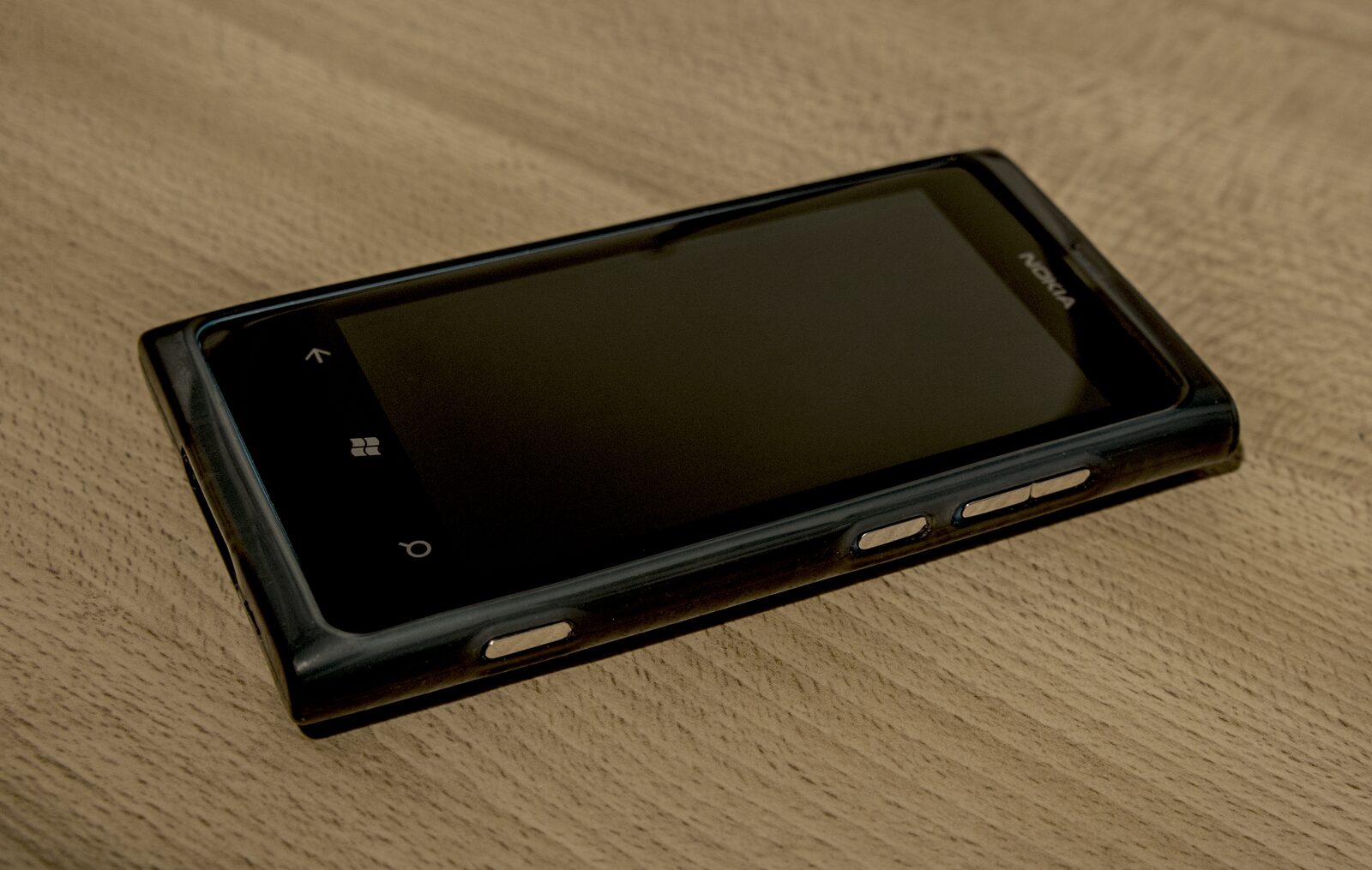

- Company
- Microsoft and Nokia
- Category
- Phones
- Launched
- October 2010
- Ended
- December 2019
- Stage reached
- Growth
- AI product
- No
- Status
- Microsoft ended support for Windows 10 Mobile on December 10, 2019
Windows Phone and Nokia's Lumia phones sold in the tens of millions and still lost to Android and the iPhone. By 2017 a Microsoft vice president was saying too few people used them for most app makers to invest.
What it was
Windows Phone was Microsoft's smartphone platform, and Lumia was the line of phones that ran it, first Nokia's and later Microsoft's.
Microsoft and its partners unveiled nine Windows Phone 7 handsets, from makers such as Dell, HTC, LG and Samsung, on October 11, 2010. The first went on sale on October 21, GSMArena reported.
Nokia announced plans to move to Windows Phone in February 2011. It said it would adopt Windows Phone "as its principal smartphone strategy", and its CEO, Stephen Elop, said, "It's now a three-horse race."
Nokia launched its first Windows Phone smartphones under the Lumia name that October, its annual report says. The Lumia 800 was already up for pre-order the day Nokia announced it, with a rollout across six European countries planned from November, Engadget reported.
Microsoft agreed in September 2013 to buy substantially all of Nokia's Devices and Services business for EUR 3.79 billion, plus EUR 1.65 billion to license Nokia's patents. The deal closed on April 25, 2014, and Microsoft sold the Lumias from then on.
What happened
Windows Phone grew fast in 2013 and stalled in 2014. Microsoft wound it down between 2015 and 2019.
Sales to end users of phones on Microsoft's platform rose about 82% in 2013, Gartner's figures show. That gave it 3.2% of the market and third place, ahead of BlackBerry at 1.9%.
Lumia sales reached 10.5 million in the last three months of 2014, Microsoft reported. Gartner called Windows Phone's performance that year "flat", though it noted strong results in some European markets and in business. Its sales rose about 14% while the whole market grew about 28%, so its share slipped to 2.8%.
In July 2015 Microsoft announced an impairment charge of about $7.6 billion on assets from the Nokia deal, and up to 7,800 job cuts, mostly in phones. It sold 13.8 million Lumias in its 2016 fiscal year, down from 36.8 million the year before. Gartner put Windows at 0.3% of worldwide smartphone sales in the last quarter of 2016.
In October 2017 Joe Belfiore, a Microsoft corporate vice president, tweeted that Microsoft would keep supporting Windows 10 Mobile, the platform's latest version, with bug fixes and security updates, but that new features and hardware "aren't the focus". Microsoft ended support for Windows 10 Mobile on December 10, 2019.
Why it failed
Microsoft's 2015 annual report blamed missed sales goals and a changing market, while current and former Microsoft executives pointed to too few users for most app makers, ground Microsoft had already lost, Android's business model and weak carrier support.
What Microsoft and Nokia said
In August 2013 Microsoft's On the Issues blog said Google's reasons for blocking Microsoft's YouTube app for Windows Phone seemed "manufactured". That November, BGR reported that Belfiore, whom it called Microsoft's Windows Phone boss, said the app gap with rival platforms would be gone by "the end of 2014".
Nokia's annual report for 2012 warned that it might not make its Windows Phone products "a competitive choice for consumers" unless the Windows Phone ecosystem reached "sufficient scale".
Microsoft's 2015 annual report said Phone Hardware "did not meet its sales volume and revenue goals" in the second half of the fiscal year, and the mix of phones sold had lower margins than planned. Those results, "changes in the competitive marketplace" and a review of business priorities led to "a shift in strategic direction", it said. In July 2015 Satya Nadella, the CEO, said Microsoft was moving away from "a strategy to grow a standalone phone business".
Belfiore wrote in tweets in 2017 that Microsoft had "tried VERY HARD to incent app devs", paying them and writing apps for them, "but volume of users is too low for most companies to invest."
Explaining the end of support, Microsoft's FAQ told business customers that their own customers and partners "have already adopted Android or iOS platforms and devices", and recommended moving to "a supported Android or iOS device".
What reporting showed
When Nokia announced the plan, Reuters reported that Windows Phone had "a 2% market share in the last quarter" and had "not yet caught the imagination of consumers". Reuters quoted Carolina Milanesi, a Gartner analyst, saying she didn't see LG, Samsung or HTC "carrying on with Windows Phone". They were "betting everything on" Android, she said.
Ben Thompson wrote on Stratechery in September 2013 that Windows Phone had "already been largely abandoned by other OEMs", and that Nokia's phones lacked "an app ecosystem, the price of entry into smartphones".
Benedict Evans of Enders Analysis, quoted by Computerworld that month, said Windows Phone was failing "because of a classic vicious circle". Consumers wouldn't buy it because it had very few apps, he said, and developers wouldn't target it because very few consumers owned one.
The Verge reported in October 2017 that developers "never backed the platform", which it called one of the big reasons Microsoft was giving up.
What later analysis found
These later accounts come from people who worked at Microsoft, so they're the company's hindsight rather than independent analysis.
Satya Nadella wrote in his 2017 book Hit Refresh, as quoted by Windows Central, that he voted no when Steve Ballmer, then CEO, polled his senior team on the Nokia deal. "I did not get why the world needed the third ecosystem in phones, unless we changed the rules," he wrote. He also wrote that "it was too late to regain the ground we had lost."
Terry Myerson, the departing head of Windows, wrote in a 2018 farewell post that "the disruption in business model which Android represented was enormous", CNBC reported. Building early Windows Phone "on an incomplete Windows CE platform" left Microsoft "too hobbled to ever catch up", he said.
Brandon Watson, a former head of developer relations for Windows Phone, tweeted in 2018 that Microsoft "got second string devices and almost no support at the carriers". In 2023 he wrote that carrier salespeople's go-to answer "was always to point to the size of the app store".
The stage it reached
Windows Phone reached the growth stage, the second of the four product life cycle stages, and stalled early in it.
Its jump in 2013 fits the stage. The stall in 2014 doesn't, because growth needs the rate to hold as the base gets bigger, and Windows Phone's fell from about 82% to about 14%.
The lesson
The lesson I take from Windows Phone is that paying app makers won't close an app gap while a platform has too few users.
Nadella's condition for a third ecosystem, "unless we changed the rules", is the test I'd use. If you're the third entrant in a market two leaders already own, I'd find the buyers you serve better than they do before paying anyone to build for you.
Causes at a glance
Company statement · Missing apps, content or partners
Too few users for most app makers to invest, even after Microsoft paid them
Source 20
Company statement · Weak demand
Phone sales missed Microsoft's volume and revenue goals in 2015
Source 16
Later analysis · Timing
Nadella later wrote it was too late to regain the ground Microsoft had lost
Source 19
Later analysis · Competition
Insiders later blamed Android's business model and weak carrier support
Sources
- 1.Microsoft, Microsoft and Partners Unveil Windows Phone 7 Global Portfolio
October 2010 · Company statement
- 2.GSMArena, First Windows Phone 7 mobiles on sale: 7 Trophy, 7 Mozart, Omnia 7
October 2010 · Reporting at the time
- 3.Nokia, Nokia and Microsoft announce plans for a broad strategic partnership to build a new global ecosystem (Form 6-K)
February 2011 · Company statement
- 4.Reuters, via Mail & Guardian, Nokia, Microsoft join forces in smartphone war
February 2011 · Reporting at the time
- 5.Engadget, Nokia announces the Lumia 800, the 'first real Windows Phone' (video)
October 2011 · Reporting at the time
- 6.Nokia, Annual Report on Form 20-F for 2012
March 2013 · Company statement
- 7.Microsoft On the Issues, The limits of Google's openness
August 2013 · Company statement
- 8.Stratechery, The Deal That Makes No Sense
September 2013 · Reporting at the time
- 9.Microsoft, Microsoft to acquire Nokia's devices & services business, license Nokia's patents and mapping services
September 2013 · Company statement
- 10.Computerworld, Kill Windows Phone or risk dying, analyst tells Microsoft
September 2013 · Reporting at the time
- 11.BGR, Microsoft Exec Vows To End Windows Phone App Gap By 'End Of 2014'
November 2013 · Reporting at the time
- 12.Gartner, Gartner Says Annual Smartphone Sales Surpassed Sales of Feature Phones for the First Time in 2013
February 2014 · Reporting at the time
- 13.Microsoft, Earnings Release FY15 Q2
January 2015 · Company statement
- 14.Gartner, Gartner Says Smartphone Sales Surpassed One Billion Units in 2014
March 2015 · Reporting at the time
- 15.Microsoft, Microsoft announces restructuring of phone hardware business
July 2015 · Company statement
- 16.Microsoft, Microsoft 2015 Annual Report
2015 · Company statement
- 17.Microsoft, Microsoft 2016 Annual Report
2016 · Company statement
- 18.Gartner, Gartner Says Worldwide Sales of Smartphones Grew 7 Percent in the Fourth Quarter of 2016
February 2017 · Reporting at the time
- 19.Windows Central, Satya Nadella confirms he wasn't in favor of Microsoft's Nokia acquisition
September 2017 · Later analysis
- 20.Windows Central (Joe Belfiore's tweets), Microsoft's Joe Belfiore says Windows 10 Mobile features and hardware are no longer a focus
October 2017 · Company statement
- 21.The Verge, Microsoft finally admits Windows Phone is dead
October 2017 · Reporting at the time
- 22.CNBC, Departing Windows chief Terry Myerson explains why Microsoft failed in smartphones
March 2018 · Later analysis
- 23.Windows Central, Former and current Microsoft staffers talk about why Windows phones failed
April 2018 · Later analysis
- 24.Microsoft, Support ending for Windows 10 Mobile in 2019
December 2018 · Company statement
- 25.Microsoft, Windows 10 Mobile End of Support: FAQ
2019 · Company statement
- 26.Windows Central, Carrier disinterest led to Windows Phone downfall, says former lead developer
October 2023 · Later analysis
More from the graveyard
Jan 2022
BlackBerry
Research In Motion (BlackBerry) · Phones
Legacy BlackBerry OS and BlackBerry 10 services ended on January 4, 2022
Aug 2015
Amazon Fire Phone
Amazon · Phones
Amazon ceased sales in August 2015, when the phone sold out
Apr 2019
Google+
Google · Social networks
Consumer Google+ shut down on April 2, 2019; its workplace successor, Currents, closed in 2023