Wearables NOV 19, 2026 7 MIN READ
Pebble
My post on failed products examples covers twelve famous cases from tech and why each one failed.


The timeline as text
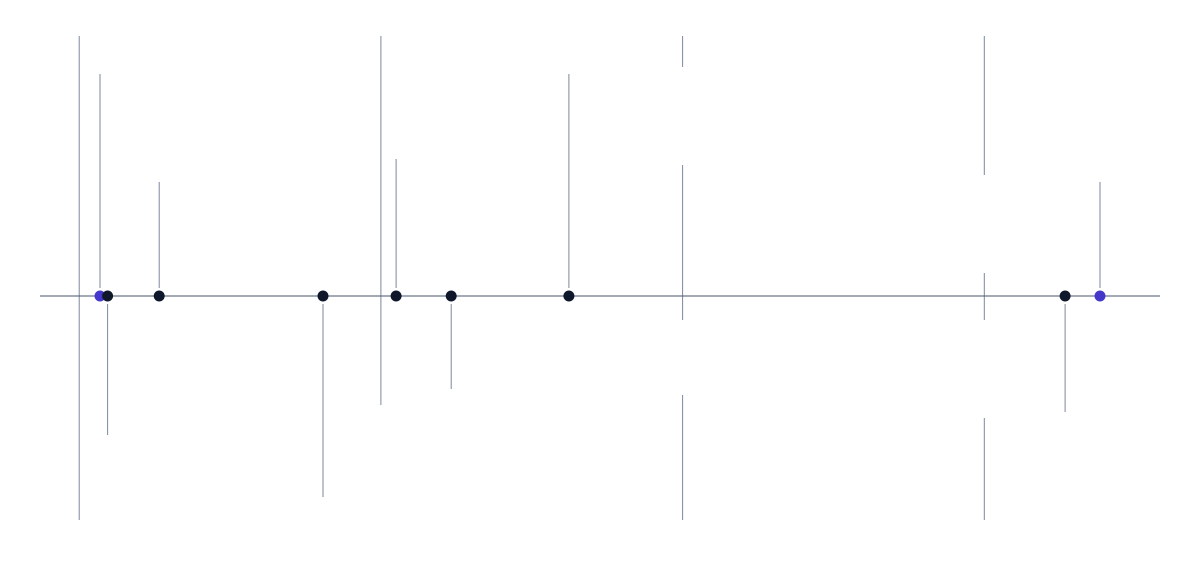
- April 11, 2012Kickstarter campaign opens with a $100,000 goal
- May 18, 2012Campaign closes with $10,266,845 from 68,929 backers
- January 23, 2013First Pebbles ship to Kickstarter backers
- March 27, 2015Pebble Time campaign closes with $20,338,986 pledged
- March 2016Lays off 40 people, about a quarter of its staff
- December 7, 2016Shuts down after Fitbit buys its software assets
- June 30, 2018Fitbit's extended support for Pebble's online services runs out
- January 27, 2025Google releases most of the Pebble OS source code
- July 2025Core Devices says it has recovered the Pebble name
- Company
- Pebble Technology
- Category
- Wearables
- Launched
- January 2013
- Ended
- December 2016
- Stage reached
- Growth
- AI product
- No
- Status
- Shut down on December 7, 2016, after selling its software assets to Fitbit
Pebble failed because its 2015 watches sold well below forecast, its founder later wrote, and the unsold stock left it short of cash. Fitbit bought its software assets, and Pebble shut down in December 2016.
What it was
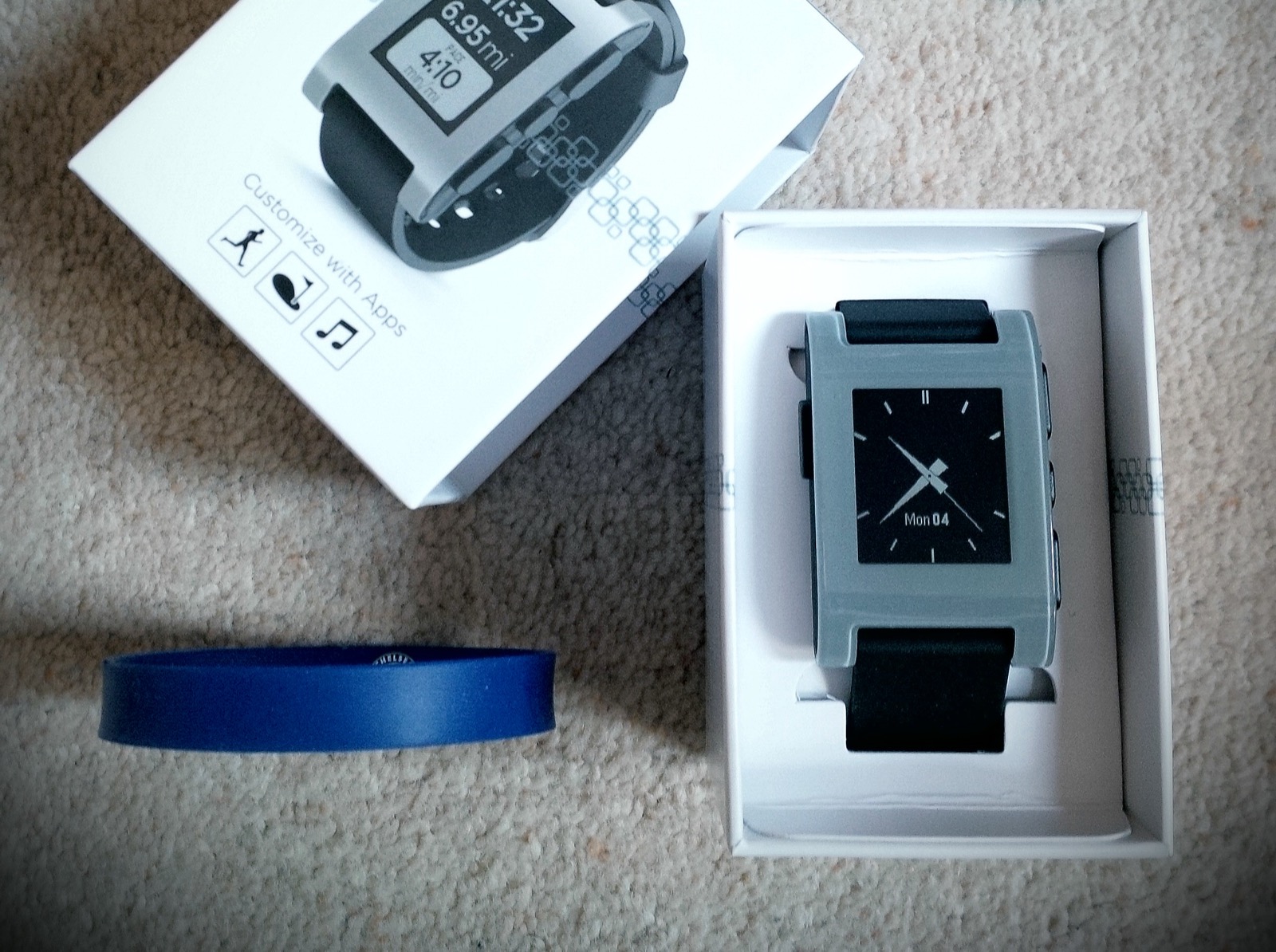
Pebble was a smartwatch with an e-paper display that showed the time and buzzed with notifications from a paired phone.
Its 2012 Kickstarter page said it "connects to iPhone and Android smartphones using Bluetooth, alerting you with a silent vibration to incoming calls, emails and messages." The page put battery life at "7+ days".
Eric Migicovsky started the company in 2008 with friends from the University of Waterloo, he wrote later. Developers built over ten thousand apps and watchfaces for it, Google said in 2025.
What happened
Pebble opened its Kickstarter campaign on April 11, 2012, with a $100,000 goal. When it closed on May 18, 2012, 68,929 backers had pledged $10,266,845.
The first watches shipped on January 23, 2013, Pebble said in its backer updates, after the page's estimated delivery of September 2012.
Revenue doubled from about $30 million in 2013 to $60 million in 2014, Migicovsky later wrote, and Pebble made $9 million in net profit in 2013 and broke even in 2014.
In February 2015 Pebble went back to Kickstarter for Pebble Time, its second generation of watches. When that campaign closed on March 27, 2015, 78,471 backers had pledged $20,338,986.
Pebble had turned down offers, Ars Technica reported in December 2016, including $740 million from Citizen in 2015.
In March 2016 Pebble laid off 40 people, about a quarter of its staff, Business Insider reported. A third Kickstarter that year, for the Pebble 2, the Time 2 and a screenless Pebble Core, drew $12,779,843 in pledges.
On December 7, 2016, Migicovsky wrote on Pebble's blog that Pebble was "no longer able to operate as an independent entity" and would stop making watches. Fitbit said it had acquired specific assets, including "key personnel and intellectual property related to software and firmware development," but not the hardware products. Pebble told Kickstarter backers that the Time 2 and the Core would not go into final production and that they would get refunds.
Fitbit's annual report put the price at $23.4 million in cash. Bloomberg had reported, citing two people familiar with the matter, that Pebble's debt and other obligations were larger than the price.
Fitbit extended Pebble's online services through June 30, 2018, PCMag reported, after which the app store and voice recognition would shut down.
Google, which later bought Fitbit, released most of the Pebble OS source code on January 27, 2025. The same day Migicovsky wrote that he was making "a new Pebble-style smartwatch", and he opened preorders for two models that March. In July 2025 The Verge reported that his new company, Core Devices, had recovered the Pebble trademark for them.
Why it failed
By its founder's account, Pebble failed because a 2015 sales miss left it short of cash and unable to raise more. Reporting at the time added a smartwatch market that grew less than hoped, where Fitbit led and Apple outsold Pebble.
What Pebble said
Pebble's shutdown post gave no specific cause, saying that "due to various factors" Pebble could no longer operate on its own.
When Pebble cut staff in March 2016, Business Insider reported that Migicovsky blamed "a chilly fundraising environment in Silicon Valley" for the layoffs.
On the day the Fitbit deal closed, he told Wired's Steven Levy that raising money around the layoffs was "kind of a non-starter," which is why Pebble went back to Kickstarter. "After the Kickstarter we tried to raise money and we were unable to," he said.
He also told Levy that Pebble had been slow to see that fitness was what people wanted from a watch. "We learned late," he said, and if Pebble had come out in 2014 "as the smartwatch fitness wearable, maybe it would be a bit different."
What reporting showed
Bloomberg called the deal a "fire sale" that came from "financial struggles in a smartwatch market that failed to grow as quickly or as large as initially hoped and hyped." It cited IDC figures showing industry shipments down 52 percent in the third quarter of 2016.
Levy wrote that both Pebble and Apple "had misjudged the wearables market," and that Pebble's focus on productivity and third-party innovation was one of the "costly detours" from health and fitness. Pebble had dropped into the red in 2015, he reported, and "would never be profitable again."
Business Insider called Fitbit "the leader in the wearable category" in March 2016 and noted that even the most conservative analysts thought Apple sold about 10 million watches in 2015. The last sales figure Pebble had announced, in February 2015, was 1 million watches since 2013. Ars Technica noted that Pebble "has only recently tried to make its products more fitness-friendly."
What later analysis found
Migicovsky gave his own later account in a post he says he wrote in 2017 and published in 2022.
He put the failure on Pebble Time. Pebble built its retail forecasts on the 2015 Kickstarter, he wrote, and with production lead times of over four months it ordered holiday stock before retail results came in. It targeted about $100 million in 2015 sales, reached $82 million, and ended the year with over $15 million of inventory.
Pebble had also doubled its operating expenses in anticipation of growth, he wrote, while revenue grew only 35% and gross margin fell from 35% to 27%. The extra spending and thinner margins cost it its profitability.
He traced the miss to positioning. Pebble Time was aimed at efficiency and productivity, and he wrote that wanting a more efficient smartwatch "was not a widespread hair on fire problem." His team had pressed for a sports and fitness focus in 2015 and he resisted, a delay he called "solely my fault". By 2022 he doubted fitness would have saved it. "We weren't a fitness company at our core," he wrote.
Reporting on Pebble's return in 2025, The Verge wrote that despite a loyal customer base, Pebble "wasn't able to compete with bigger names like Fitbit, the Apple Watch, or Samsung."
The stage it reached
Pebble reached the growth stage and stalled there.
Revenue doubled from 2013 to 2014, the kind of fast rise that marks growth. My product life cycle guide says competitors start entering in this stage, and Apple announced its watch in September 2014, Levy noted.
Revenue still grew 35% in 2015, but against doubled costs, and Pebble ran out of money in 2016. With no 2016 revenue figure to go on, I don't count it as a decline.
The lesson
I think Pebble's lesson is that a hit can hide why it's a hit. Its first two Kickstarters told Pebble that people wanted its watch. They didn't say what for.
Migicovsky's own summary is that Pebble shifted from "making something we knew people wanted" to "an ill-defined product that we hoped people wanted." His colleague Andrew Witte added in the same post that "we never gained a good understanding of what our actual customers valued the most."
Before you widen your market, I'd ask your first buyers what they use the product for, through a product feedback loop, not read it off a pledge total. And I'd size stock and costs to sales you've already seen.
When Migicovsky announced new Pebble-style watches in 2025, he wrote that he was building "a small, narrowly focused company" and didn't envision "raising money from investors, or hiring a big team."
Causes at a glance
Company statementUnclear value
Its CEO said in 2016 that Pebble learned late that people wanted a fitness watch
Later analysisBusiness model and costs
Its founder said a 2015 sales miss left over $15m of inventory as spending doubled
Reporting at the timeCompetition
Fitbit led wearables and Pebble couldn't compete with bigger names, reporters wrote
Reporting at the timeWeak demand
Bloomberg said the smartwatch market grew less than hoped and hyped
Source9
Sources
- 1.Pebble Technology (Kickstarter, archived), Pebble: E-Paper Watch for iPhone and Android
April 2012 · Company statement
- 2.Pebble Technology (Kickstarter, archived), Update #30: Shipping and Mass Production updates
January 2013 · Company statement
- 3.Pebble Technology (Kickstarter, archived), Pebble Time - Awesome Smartwatch, No Compromises
February 2015 · Company statement
- 4.Business Insider, Smartwatch company Pebble is laying off 25% of its staff
March 2016 · Reporting at the time
- 5.Ars Technica (archived), Fitbit is reportedly buying Pebble for $34 million-40 million
December 2016 · Reporting at the time
- 6.Pebble (Eric Migicovsky, archived), Pebble's Next Step
December 2016 · Company statement
- 7.Pebble Technology (Kickstarter, archived), Update 17: The Time of Our Lives
December 2016 · Company statement
- 8.Fitbit (archived), Fitbit, Inc. Acquires Assets from Pebble
December 2016 · Company statement
- 9.Bloomberg (archived), Fitbit Buys Software Assets From Smartwatch Startup Pebble
December 2016 · Reporting at the time
- 10.Wired, The Inside Story Behind Pebble's Demise
December 2016 · Reporting at the time
- 11.Fitbit (SEC filing), Form 10-K for the fiscal year ended December 31, 2016
March 2017 · Company statement
- 12.PCMag, Fitbit Extends Pebble Support Through June 2018
January 2018 · Reporting at the time
- 13.Eric Migicovsky, Success and Failure at Pebble
April 2022 · Later analysis
- 14.Google Open Source Blog, See the code that powered the Pebble smartwatches
January 2025 · Company statement
- 15.Eric Migicovsky, Why We're Bringing Pebble Back
January 2025 · Company statement
- 16.Eric Migicovsky, Introducing two new Pebble watches!
March 2025 · Company statement
- 17.The Verge, Pebble is officially Pebble again
July 2025 · Reporting at the time
More from the graveyard
Jul 2017
Jawbone UP
Jawbone Wearables
Jawbone was being liquidated by July 2017, The Information reported
Mar 2023
Google Glass
Google Wearables
Google stopped selling Glass Enterprise Edition on March 15, 2023
Feb 2025
Humane AI Pin
Humane Wearables AI
Sales ended February 18, 2025; Humane said the Pins would go offline February 28, 2025