Phones NOV 24, 2026 6 MIN READ
Essential Phone
My post on failed products examples covers twelve famous cases from tech and why each one failed.


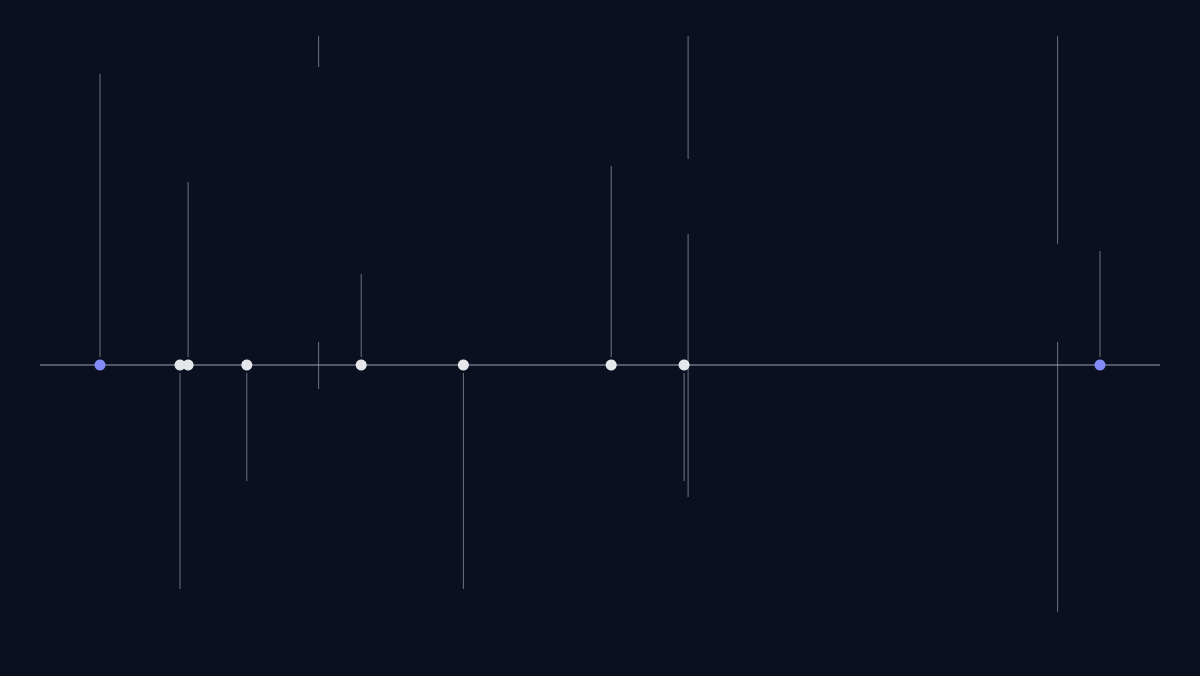
The timeline as text
- May 30, 2017Announced at $699; Rubin said it would ship within 30 days
- August 17, 2017Orders opened at Essential.com, Sprint, Amazon and Best Buy
- August 25, 2017Began shipping, nearly two months after the 30-day promise
- October 22, 2017Price cut from $699 to $499 on Essential.com
- February 12, 2018IDC put 2017 shipments at under 90,000
- May 24, 2018Bloomberg reported a canceled second phone and sale talks
- October 17, 2018Laid off nearly a third of its staff
- December 28, 2018Sold out on Essential.com, with no new inventory planned
- February 12, 2020Shutdown announced; the February 3 update was the PH-1's last
- Company
- Essential Products
- Category
- Phones
- Launched
- August 2017
- Ended
- February 2020
- Stage reached
- Introduction
- AI product
- No
- Status
- Sold out and not restocked in December 2018; on February 12, 2020, Essential announced its shutdown and the end of updates and support
The Essential Phone failed because a startup's $699 first phone came with a camera reviewers faulted and had Sprint as its only US carrier partner, reporting found. IDC put its 2017 shipments under 90,000, and Essential announced its shutdown in February 2020.
What it was
The Essential Phone, or PH-1, was the only phone brought to market by Essential Products, the startup Android co-founder Andy Rubin founded in 2015.
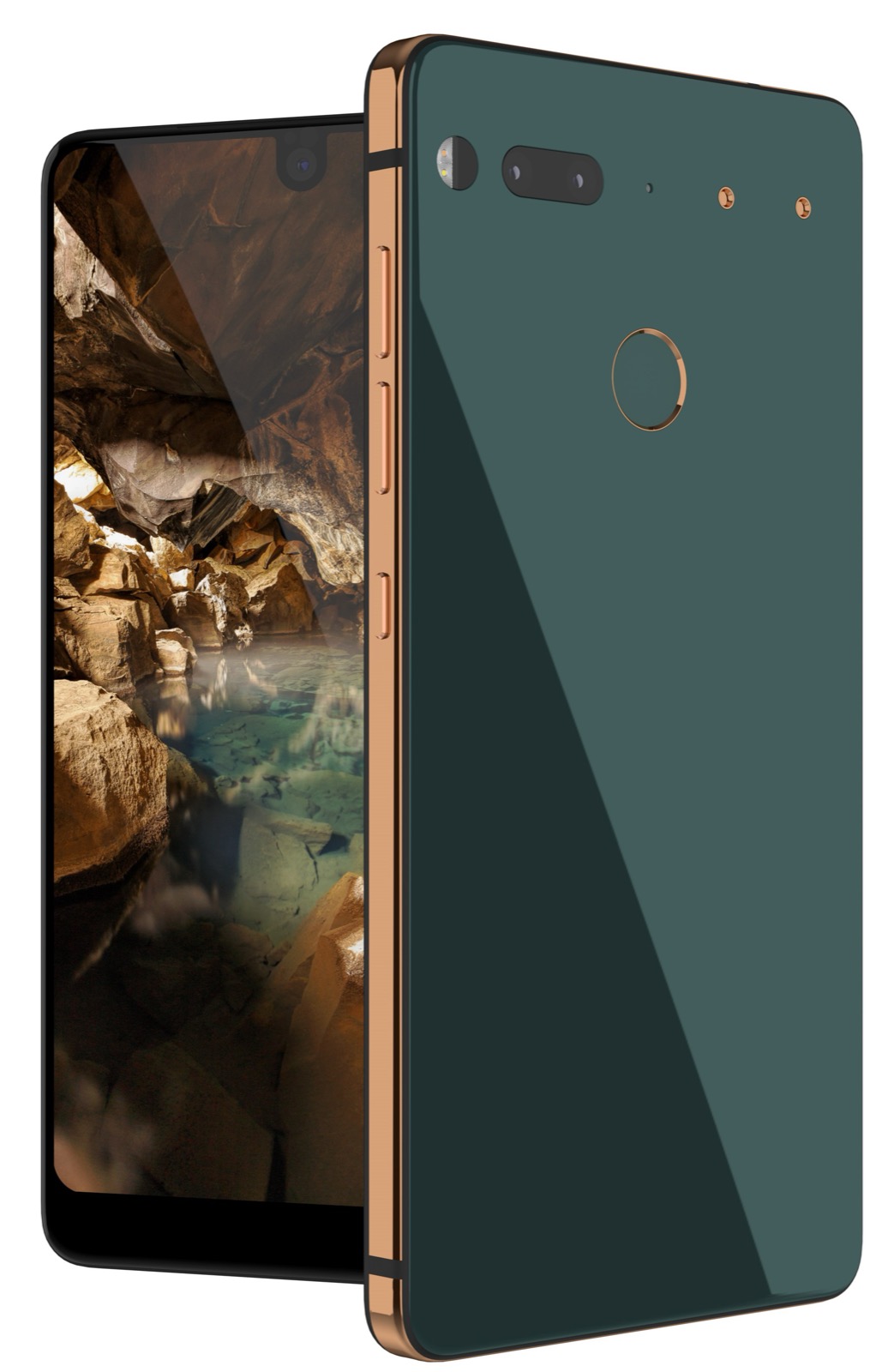
Essential announced it on May 30, 2017. The Verge reported that it cost $699 and had a titanium and ceramic body, no logo on the outside and no headphone jack. Its screen ran to the top edge and wrapped around the selfie camera.
Accessories, starting with a 360-degree camera and a charging dock, were to attach through a magnetic connector with small metal pins.
"Devices are your personal property," Rubin wrote in the post that opened orders, promising not to force anything on buyers they didn't want.
Before it shipped, Essential was valued at around $1.2 billion, The Verge reported, citing a Bloomberg columnist.
What happened
The Essential Phone shipped in late August 2017, nearly two months after the date Rubin had promised.
On the evening of the announcement, Rubin said it would ship within 30 days, The Verge reported. Orders opened on August 17 at Essential.com, Sprint, Amazon and Best Buy, and Essential told CNET the phone was finally shipping on August 25.
Days later, an error in Essential's customer care shared personal information from about 70 customers with a small group of other customers. Rubin apologized in a blog post and wrote that he was "personally responsible."
The phone reached Sprint stores on September 14. BayStreet Research estimated that Sprint sold fewer than 5,000 by September 26, 9to5Google reported.
On October 22, 2017, Essential cut the price on its own site to $499 and offered existing owners a $200 code toward a 360 Camera or another phone.
IDC research director Francisco Jeronimo put 2017 shipments at under 90,000 in February 2018, in a tweet 9to5Google embedded.
In May 2018, 9to5Google relayed a Bloomberg report, which cited unnamed people, that Essential had canceled its second phone and was discussing a sale of the company, though it hadn't decided on one. Essential laid off nearly a third of its staff in October, TechCrunch reported.
On December 28, 2018, Essential told 9to5Google it had sold out of the phone on its own site and "won't be adding any new inventory," while it worked on its "next mobile product."
In October 2019, Rubin teased Project Gem, a tall, narrow phone. On February 12, 2020, Essential wrote that it had "no clear path to deliver it to customers" and would shut down. The PH-1's February 3 security update was its last.
Why it failed
Reporting tied the Essential Phone's weak sales to its price, its camera, its Sprint deal and a market Apple and Samsung already led. Its former head of R&D later told Android Police that going to market before a product was fully ready was one of the mistakes he saw there. None of Essential's statements I found gives a reason for the weak sales.
What Essential said
When Essential cut the price, president Niccolo de Masi wrote that it "could have created a massive TV campaign," but thought "making it easier for people to get their hands on our first products is a better way to get to know us."
On choosing Sprint, he told USA Today, as The Verge quoted him, "We like to bet with where we think the market is going as opposed to where the market was."
The shutdown post gave a reason for closing the company, not for the phone's sales. It said Essential had taken Gem "as far as we can."
What reporting showed
On announcement day, The Verge's Dieter Bohn wrote that a pessimist might say the phone would break on "carrier support, consumer interest, and lack of true differentiation," the rocks that had cracked Android phones without a Samsung logo.
When Sprint became the launch partner, he wrote that the deal might remind some people of another newcomer that took on the leaders, the Palm Pre, which "didn't go so well."
Reviewers liked the build and faulted the camera. Engadget's Chris Velazco wrote that after two updates the camera "still disappoints" next to other flagships. "I just don't trust the camera," David Pierce wrote in Wired.
Bohn read the $499 price as a sign the phone "wasn't selling well at $699," especially since the only US carrier stores selling it were Sprint's.
Nick Statt of The Verge wrote that the IDC figure showed "the uphill battle" of launching a new phone "in a mature, high-end market."
The Verge's shutdown report added that the phone's design "very quickly became standard fare" once the iPhone X arrived months later. It called Sprint "the smallest nationwide carrier" and said only two of the promised accessories materialized.
The report also said the hype Rubin drew turned against the company after a 2018 New York Times report on sexual misconduct accusations against him from his time at Google. Rubin disputed the Times story, citing "numerous inaccuracies" and "wild exaggerations," TechCrunch reported.
What later analysis found
The later accounts I found come from former insiders and the trade press.
In March 2020, 9to5Google described a since-locked post by a former lead designer on Essential's unreleased phones. By 9to5Google's account, Rubin killed the PH-2 in favor of the Essential Home, which never shipped either. The PH-2 would also have been IP68 rated, fixing what 9to5Google called "a pretty major complaint" about the PH-1.
In September 2020, Android Police reported that Jason Keats, Essential's former head of R&D, wanted to avoid mistakes he saw there. One was going to market before a product was fully ready.
In 2021, Android Police's Ryne Hager called the PH-1 "overpriced, over-hyped, and under-delivered."
The stage it reached
The Essential Phone died in the introduction stage, the launch period of the product life cycle, when awareness is low and sales are small.
Like the Amazon Fire Phone, it was a premium first phone whose price fell within two months of shipping, one of the signs the stage guide lists. Essential also made a mistake the guide warns about, announcing a ship date it couldn't hit.
It never reached growth, so I count it as a failure, not a decline.
The lesson
I think a famous founder buys you attention, not a reason to switch.
The Verge said Rubin's name drew hype and investment. Hype couldn't fix the camera. Engadget's review said a phone without many flashy features "has to get all the basics right," and the PH-1 didn't.
The price cut made it worse, in my view. Dropping $200 in under two months told buyers the first price was wrong, and it did nothing for the reviews already written.
Keats wanted to avoid going to market before a product was ready. I'd go a step further and not name a ship date until the basics match the phones your buyers already trust.
Causes at a glance
Reporting at the timePricing
Cut from $699 to $499 within two months, which The Verge read as a sign of weak sales
Reporting at the timeQuality and reliability
Reviewers said the camera trailed other flagships, even after early updates
Reporting at the timeMissing apps, content or partners
Sprint was its only US carrier partner, and only two promised accessories arrived
Reporting at the timeCompetition
A startup's first phone in a mature market, with a design rivals soon copied
Later analysisRushed launch
Its former R&D head later named going to market before a product was fully ready
Company statementChange of company strategy
Essential stopped restocking it to work on a next mobile product it never shipped
Sources
- 1.The Verge, Exclusive: this is the Essential Phone
May 2017 · Reporting at the time
- 2.The Verge, The first Essential Phones will begin shipping in June
May 2017 · Reporting at the time
- 3.The Verge, The Essential Phone is launching as a Sprint exclusive, but will still work on other carriers
June 2017 · Reporting at the time
- 4.The Verge, Andy Rubin's Essential is now valued at over a billion dollars without shipping a single phone
August 2017 · Reporting at the time
- 5.Essential (Andy Rubin), Essential Phone, available now.
August 2017 · Company statement
- 6.Wired, Essential Phone: Review
August 2017 · Reporting at the time
- 7.Engadget, Essential PH-1 review: A beautiful blank slate
August 2017 · Reporting at the time
- 8.CNET, Essential Phone begins shipping, only 58 days late (update)
August 2017 · Reporting at the time
- 9.Essential (Andy Rubin), An Acquired Taste
August 2017 · Company statement
- 10.9to5Google, Essential Phone: Sprint estimated to have sold 5,000 devices since carrier launch
September 2017 · Reporting at the time
- 11.Essential (Niccolo de Masi), Free Yourself: An awesome device at an awesome price
October 2017 · Company statement
- 12.The Verge, The Essential Phone now costs $499, $200 less than the original price
October 2017 · Reporting at the time
- 13.The Verge, Essential sold fewer than 90,000 phones in its first six months
February 2018 · Reporting at the time
- 14.9to5Google, Essential cancels development on second phone, company potentially up for sale [Update]
May 2018 · Reporting at the time
- 15.TechCrunch, Essential lays off nearly one-third of its staff
October 2018 · Reporting at the time
- 16.TechCrunch, Essential acquires email startup CloudMagic
December 2018 · Reporting at the time
- 17.9to5Google, RIP Essential Phone: Stock won't return as focus shifts to 'next mobile product'
December 2018 · Reporting at the time
- 18.Essential, An Update from Essential
February 2020 · Company statement
- 19.The Verge, Essential, Andy Rubin's phone company, is shutting down
February 2020 · Reporting at the time
- 20.9to5Google, Essential PH-2 shown off by former designer, PH-3 was actively in development [Gallery]
March 2020 · Later analysis
- 21.Android Police, Former Essential staff have started a new company called OSOM Products
September 2020 · Later analysis
- 22.Android Police, Carl Pei's new company bought the smoldering wreckage of Andy Rubin's short-lived Essential
February 2021 · Later analysis
- 23.9to5Google, Essential shutting down after failing to launch radical 'GEM' smartphone
February 2020 · Reporting at the time
- 24.9to5Google, Less than 90,000 Essential Phones were sold in the company's first few months
February 2018 · Reporting at the time
More from the graveyard
Aug 2015
Amazon Fire Phone
Amazon Phones
Amazon ceased sales in August 2015, when the phone sold out
Aug 2011
Palm Pre and webOS
Palm Phones
HP said on August 18, 2011 that it would discontinue webOS phones and the TouchPad
Feb 2025
Humane AI Pin
Humane Wearables AI
Sales ended February 18, 2025; Humane said the Pins would go offline February 28, 2025